
Ground Conditions That Support What Gets Built Above
Site Prep & Grading Services in Greenville for residential lots where uneven terrain, drainage, or access conditions must be established before construction begins
The rolling terrain across Upstate South Carolina means residential lots rarely arrive construction-ready. Slopes that look gradual from a road can translate into significant elevation changes across a building pad, and wooded lots often hold drainage patterns that aren't apparent until clearing begins. Site preparation and grading directly determine whether the construction that follows proceeds on solid footing—literally and operationally—which is why AG Construction treats this phase as the first structural decision in any new build, not a preliminary task to get through quickly. Coordinating site work early, with the planned construction scope already in view, prevents conditions from developing that become expensive to correct once foundation work begins.
Preparing a residential building site involves more than clearing vegetation and moving soil. Establishing appropriate grades requires understanding where water will move during and after construction, how equipment will access the site without damaging areas needed for the build, and what soil conditions exist at the depth where foundations will bear load. In Upstate South Carolina, clay-heavy soils common across many residential areas retain water differently than sandy or mixed compositions, and grading decisions that don't account for that behavior can create drainage problems that persist after the home is complete. Getting those grades right during site prep—rather than correcting drainage after the fact—is a fundamental difference between preparation done with the full build in mind versus preparation done in isolation.
To review your lot and talk through how site preparation fits into your construction plans, connect with AG Construction for an early-stage lot discussion.
How Grading Decisions Affect the Build That Follows
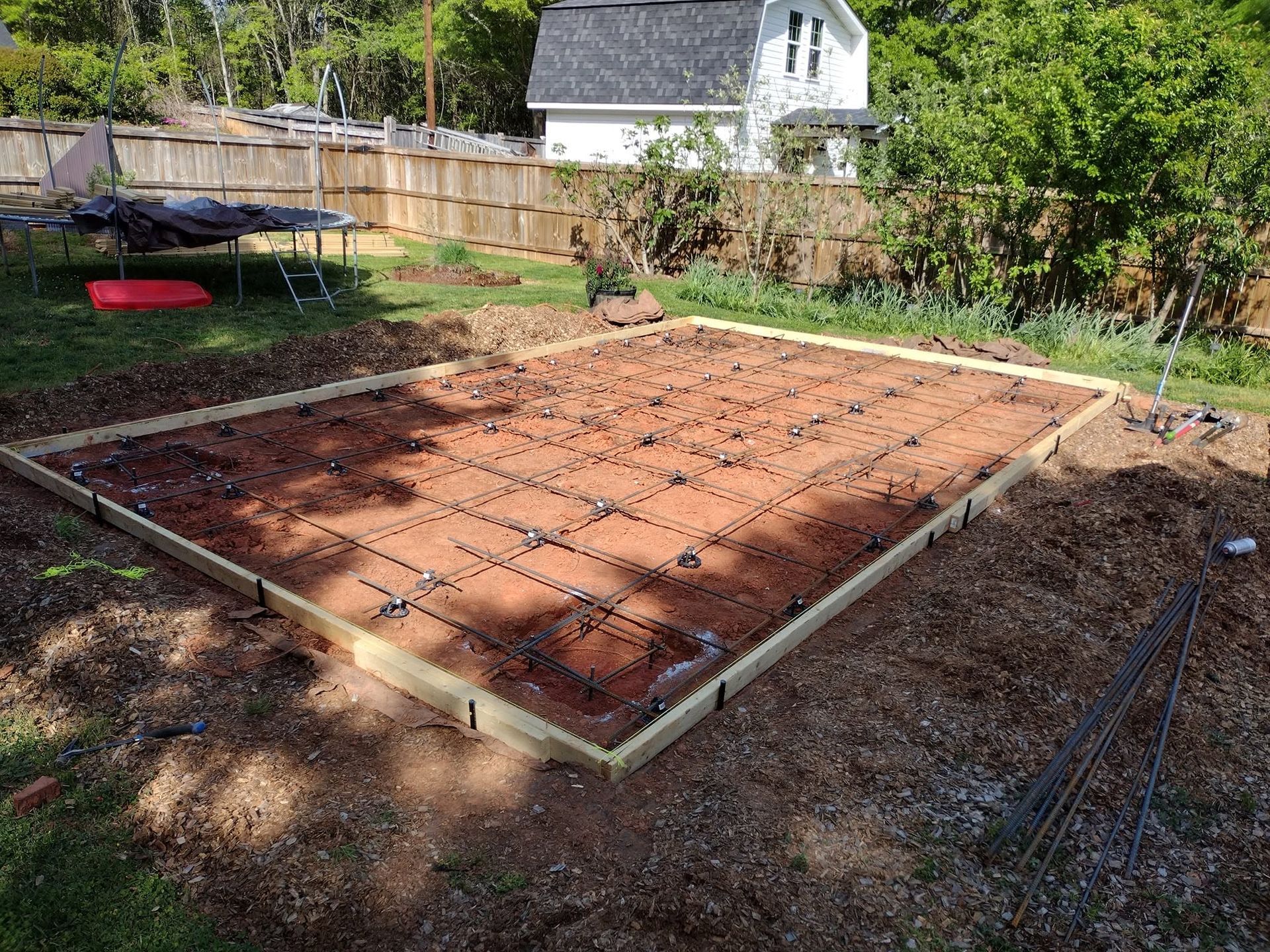
Site grading establishes the elevations and slopes across a building area that control surface drainage, define the relationship between finished floor height and surrounding grade, and set the conditions under which foundation work begins. Each of those outcomes is connected: a building pad set at the wrong elevation relative to surrounding grade can direct stormwater toward the foundation rather than away from it, and that condition is far more difficult to correct after concrete is poured than before. During site preparation, grade elevations are established with the finished drainage plan and foundation design in view, so the ground is shaped to support both construction access and long-term site performance.
After grading is complete, the visible change is a building area that is level within specified tolerances, with surrounding slopes directing water away from the pad and access routes stable enough for foundation and framing equipment. What's less visible but equally important is that the soil has been evaluated and prepared to bear the load of what goes above it. AG Construction coordinates this evaluation as part of the site prep process so that surprises at the foundation stage are minimized rather than discovered under schedule pressure.
Site prep scope varies based on lot conditions: heavily wooded sites require clearing and stump removal before grading can begin, while previously disturbed sites may need compaction evaluation before fill work proceeds. Lots on steeper Upstate terrain may also require erosion control measures during the construction window—a regulatory requirement in many South Carolina jurisdictions that affects how the site is staged. Understanding what your specific lot requires is the first step toward building an accurate preparation scope.
What Property Owners Usually Ask About Site Prep
Site preparation raises practical questions early, especially for owners working with lots that have not been previously developed or that carry visible terrain and drainage challenges.
Why does site prep need to be coordinated with the home design rather than done independently?
The foundation type, finished floor elevation, and drainage plan all influence what grades need to be established during site prep; completing that work without those reference points often means regrading later at additional cost.
How do clay soils common in the Greenville area affect grading and drainage planning?
Clay retains water rather than allowing it to percolate, which means graded surfaces must direct water away from structures more deliberately than they would in better-draining soil types—a factor that shapes both slope decisions and drainage infrastructure placement.
What site conditions typically require erosion control measures during construction?
Disturbed soil on sloped lots is subject to runoff during rainfall, and South Carolina regulations require erosion and sediment control practices on many residential construction sites; these measures are planned as part of the site prep scope rather than addressed after a problem occurs.
When should site prep begin relative to the rest of the construction schedule?
Site preparation is typically the first physical phase of a new build, and starting it before foundation subcontractors are scheduled ensures the building pad is ready and stable when foundation work begins rather than creating a bottleneck.
How is a lot evaluated before a grading scope is developed?
A site walkthrough assesses existing vegetation, surface drainage patterns, elevation changes across the building area, and access conditions so the preparation scope reflects what the specific lot actually requires.
AG Construction works through site preparation as an integrated part of new construction planning—contact the office to discuss your lot conditions and how early site coordination fits into your overall build schedule.